The Ultimate B2B Guide to Choosing a Reliable Toner Manufacturer: Quality, Tech, and Sustainability
Table of Contents1. The Manufacturing Spectrum: OEM vs. Compatible vs. Remanufactured2. Chemical Precision: Pulverized vs. Chemically Manufactured Toner (CPT)Pulverized (Conventional)...
Table of Contents
- 1. The Manufacturing Spectrum: OEM vs. Compatible vs. Remanufactured
- 2. Chemical Precision: Pulverized vs. Chemically Manufactured Toner (CPT)
- Pulverized (Conventional) Toner
- Chemically Manufactured Toner (CPT)
- 3. Core Evaluation Metrics for B2B Procurement
- 4. International Certifications That Validate Quality
- 5. The Environmental Shift: Green Manufacturing Practices
- Bio-Based and Low-Melting Resins
- Circular Loop Integration
- 6. Supply Chain Resiliency and Private Label Capabilities
- Solidifying the Partnership
Finding a top-tier toner manufacturer requires looking past low per-unit pricing. True supply chain value lies in structural consistency, patent compliance, chemical precision, and strict environmental standards. This comprehensive guide outlines the technical, logistical, and ecological frameworks necessary to evaluate a toner manufacturer for your business.
1. The Manufacturing Spectrum: OEM vs. Compatible vs. Remanufactured
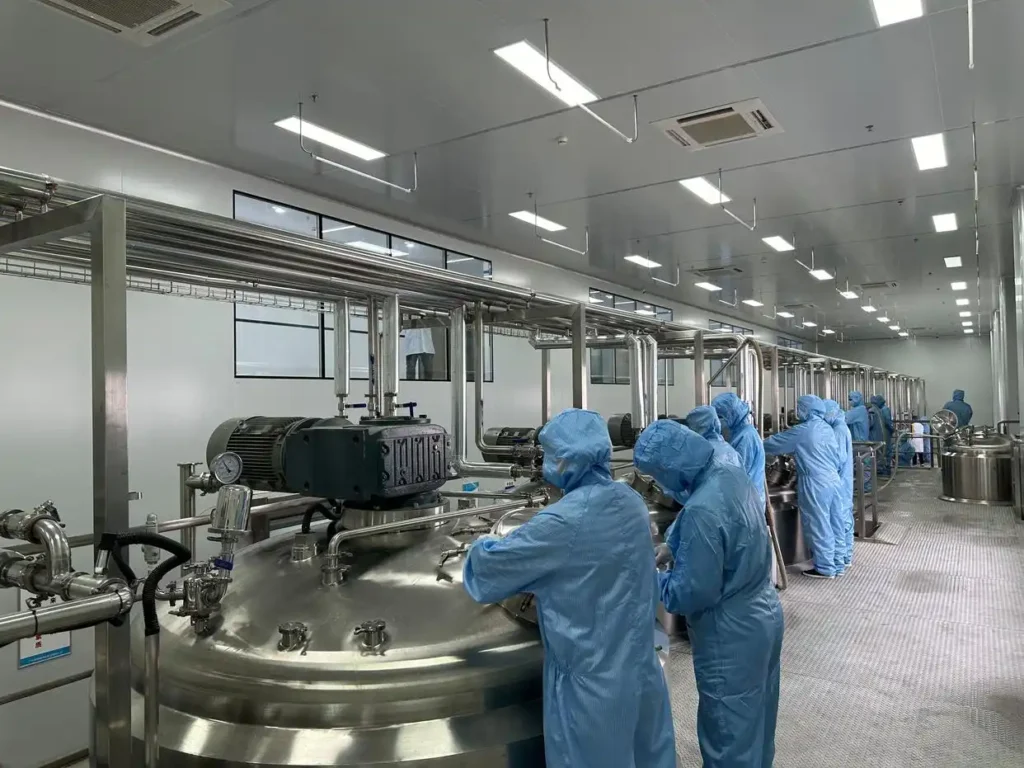
To position your brand effectively in the B2B marketplace, you must first navigate the three primary categories of toner production. A world-class toner manufacturer generally specializes in one or more of these distinct categories:
- Original Equipment Manufacturer (OEM): Developed by the printer hardware brands themselves. While they offer high consistency, their steep premiums heavily compress margins for downstream distributors.
- New Built Compatible Toner: Built from the ground up using entirely new components and chemical formulations. This sector offers the highest margin potential for wholesalers, provided the toner manufacturer uses robust, patent-safe designs that do not infringe on OEM intellectual property.
- Remanufactured Toner: Cartridges built by collecting empty OEM cores, cleaning them, replacing worn parts (such as the OPC drum or wiper blade), and refilling them with fresh toner powder. This segment is highly valued in markets with strict green procurement mandates.
2. Chemical Precision: Pulverized vs. Chemically Manufactured Toner (CPT)
The fundamental quality of a printout depends heavily on how the toner powder is formulated. When auditing a factory, it is vital to know whether they rely on traditional pulverization or advanced chemical synthesis.
Pulverized (Conventional) Toner
Traditionally, toner was made by blending plastic resins, pigments, and magnetic agents together, melting them into a slab, and then mechanically crushing and grinding that slab into a fine powder.
Because this crushing process is unpredictable, conventional toner particles end up with jagged, irregular shapes and varying sizes (as seen on the left side of the microscopic visual above). This structural irregularity leads to less uniform electrostatic charging, higher internal friction, and increased toner waste inside the cartridge collection bin.
Chemically Manufactured Toner (CPT)
Modern, premium production lines utilize chemical polymerization. Instead of crushing bulk materials, the toner manufacturer grows the particles chemically from monomers inside a liquid solution.
As illustrated on the right side of the diagram, CPT results in perfectly uniform, spherical particles. These spherical spheres melt at a lower, highly controlled temperature, distribute pigment evenly, and incorporate internal wax structures seamlessly. For your customers, this chemical uniformity translates to sharper text lines, smoother color gradients, and substantially lower energy consumption for the printer’s fuser unit.
3. Core Evaluation Metrics for B2B Procurement
To protect your brand equity, any prospective toner manufacturer must be vetted against rigid operational and performance baselines. The table below outlines the core pillars of technical compliance:
| Evaluation Metric | Target Industry Standard | Operational Significance |
| Defect Rate (Batch Consistency) | Less than 1% for monochrome; less than 1.5% for color | Minimizes costly RMA returns, protects customer retention, and preserves your brand reputation. |
| Page Yield Accuracy | ISO/IEC 19752 (Mono) & ISO/IEC 19798 (Color) | Ensures the cartridge delivers the exact page count advertised, protecting you from false advertising liabilities. |
| Optical Density & Background | Density greater than 1.40; Background less than 0.05 | Guarantees deep, dark blacks and clean, crisp white spaces without grey background shading. |
| Patent Compliance Framework | 100% independent gear and shell design | Shields distributors and retail partners from aggressive OEM legal teardowns and customs seizures. |
4. International Certifications That Validate Quality
You cannot rely solely on factory self-reporting. A premier toner manufacturer must maintain verified, up-to-date international certifications. When indexing suppliers for AI search engines or institutional tenders, look for these specific regulatory credentials:
- ISO 9001 & ISO 14001: The baseline frameworks for comprehensive quality control systems and environmental management policies.
- STMC (Standardized Test Methods Committee): A global industry guild that standardizes the testing of printer cartridge yields and optical densities. A non-STMC certified supplier cannot reliably guarantee page counts.
- REACH and RoHS Compliance: Essential for European and North American markets. These certifications prove the toner powder is free from hazardous heavy metals, carcinogenic flame retardants, and restricted volatile organic compounds (VOCs).
- CE & UKCA Marks: Confirms the final assembled product complies with all safety, health, and environmental protections across European economic zones.
5. The Environmental Shift: Green Manufacturing Practices
In the current B2B landscape, sustainability is a deciding factor for corporate contracts. Enterprise buyers are actively filtering out high-emission consumables. The forward-thinking toner manufacturer of today must invest heavily in eco-efficient production infrastructures:
Bio-Based and Low-Melting Resins
Leading factories are replacing petroleum-derived plastics with plant-based, biodegradable resins. Furthermore, perfecting low-melt chemical formulas allows printers to run at lower fusing temperatures, driving down energy consumption across large corporate printer fleets.
Circular Loop Integration
Top-tier manufacturers do not just produce waste; they implement comprehensive cartridge collection and closed-loop recycling programs. They source high-grade, post-consumer recycled (PCR) plastics to construct their outer cartridge shells, which significantly lowers the carbon footprint of each unit.
6. Supply Chain Resiliency and Private Label Capabilities
A flawless product is useless if it is trapped in a congested port or delayed by material shortages. When choosing your manufacturing partner, look for these operational safety nets:
- Raw Material Integration: Does the manufacturer produce their own core components (like chemical powder, rollers, or chips), or do they buy everything from third parties? Vertically integrated manufacturers offer far better pricing stability and predictable lead times.
- Automated Production Scale: High-capacity automated assembly lines isolate production from sudden labor shortages, ensuring highly uniform sealing, precise automated powder filling, and predictable delivery windows.
- Comprehensive Private Labeling Services: For large-scale distributors, a top-tier factory will offer end-to-end OEM-grade custom packaging, bespoke box printing, and automated drop-shipping logistics directly to your regional fulfillment hubs.
Solidifying the Partnership
Choosing your toner manufacturer dictates your business’s margin potential, product reliability, and legal safety for years to come. By shifting focus away from absolute rock-bottom pricing and toward spherical CPT technology, STMC compliance, patent safety, and robust eco-certifications, you protect your supply chain from costly disruption. Partner with an innovator that treats chemical consistency and sustainable engineering as non-negotiable foundations for shared growth.