Private Label vs White Label Cosmetics: Which Manufacturing Model Is Right for Your Brand?
Learn the pros and cons of private label versus white label cosmetics manufacturing. Discover which model aligns with your business goals, budget, and timeline.
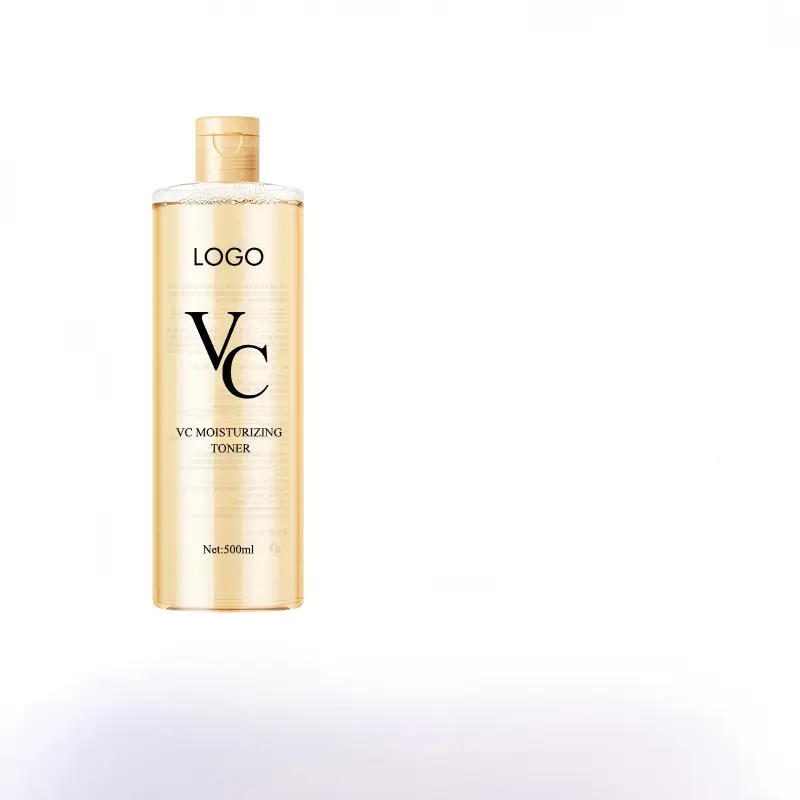
Table of Contents
- What is White Label Cosmetics? (The Turnkey Model)
- The Advantages of White Label
- The Disadvantages of White Label
- What is Private Label Cosmetics? (The Customization Model)
- The Advantages of Private Label
- The Disadvantages of Private Label
- Side-by-Side Comparison: White Label vs. Private Label
- A Step-by-Step Framework for Choosing Your Model
For most emerging beauty brands, building a manufacturing facility from scratch is financially impossible. Instead, brands rely on established third-party manufacturers. Two dominant business models make this possible: White Label and Private Label.
While these terms are frequently used interchangeably, they represent two completely different business strategies, budget requirements, and timelines.
What is White Label Cosmetics? (The Turnkey Model)
White label manufacturing is a turnkey solution where a manufacturer produces a generic, pre-formulated product that is sold to multiple retailers. As the brand owner, your primary job is to choose the packaging, apply your logo, and market the product as your own.
Think of white label as “renting” a beauty formula that has already been tested, stabilized, and approved for the market.
The Advantages of White Label
- Rapid Time-to-Market: Because the formulas are already created, tested, and stocked, you can launch a product line in weeks rather than months.
- Low Minimum Order Quantities (MOQs): White label manufacturers often allow you to buy in very small batches—sometimes as low as 50 to 100 units. This is perfect for testing a concept without a massive upfront investment.
- Lower Risk: The formulas are already proven to be stable and popular in the market, eliminating costly Research and Development (R&D) failures.
The Disadvantages of White Label
- Zero Formula Customization: You cannot tweak the ingredients, scent, texture, or color. What you see is what you get.
- High Competition: Other brands can buy and sell the exact same formula. Your only true differentiator is your branding and marketing.
- Lower Profit Margins: While your startup costs are lower, the cost-per-unit for white label products is typically higher than bulk private label orders.
What is Private Label Cosmetics? (The Customization Model)
Private label manufacturing involves hiring a manufacturer to create a unique cosmetic product exclusively for your brand. While you can start with a manufacturer’s “base” formula, you have the freedom to customize the active ingredients, color, scent, and performance characteristics to align with your brand’s unique selling proposition (USP).
Private label is the gold standard for brands that want to offer something truly unique to the market.
The Advantages of Private Label
- Formula Customization: You can request specific trend-forward ingredients (like bakuchiol or niacinamide), adjust the sensory profile, or formulate under clean, vegan, or organic standards.
- Higher Brand Equity: Because your formula is unique, you own a proprietary asset. This makes your brand far more valuable if you ever decide to sell it.
- Better Profit Margins in the Long Run: Bulk manufacturing lowers the cost-per-unit significantly, allowing for much higher retail markups once you scale.
The Disadvantages of Private Label
- High MOQs: Manufacturers require larger production runs to justify resetting their factory lines. MOQs typically range from 2,000 to 10,000 units per product.
- Longer Development Cycles: Developing, testing, and safety-approving a custom formula can take anywhere from 6 to 18 months.
- Significant Upfront Capital: You must pay for custom formulation fees, stability testing, compatibility testing, and large inventory runs upfront.
Side-by-Side Comparison: White Label vs. Private Label
To help map out your business plan, here is how the two models compare across key operational metrics.
| Feature | White Label | Private Label |
| Formula Control | None (Pre-formulated) | High (Customized or modified) |
| Upfront Cost | Low (Typically under $2,000 to start) | High (Often $10,000 to $50,000+) |
| Minimum Order (MOQ) | Low (50 to 500 units) | High (2,000 to 10,000+ units) |
| Time-to-Market | Fast (2 to 6 weeks) | Slow (6 to 18 months) |
| Testing Requirements | Pre-tested by manufacturer | Requires custom stability & safety testing |
| Brand Protection | Low (Competitors can sell the same formula) | High (Exclusive proprietary formula) |
A Step-by-Step Framework for Choosing Your Model
If you are struggling to decide which route is right for your beauty brand, walk through this step-by-step evaluation process to find your match.
1.Assess Your Startup Capital:Step 1。
Be honest about your budget. If you have less than $5,000, White Label is virtually your only viable option. If you have $15,000 or more to allocate solely to inventory and R&D, Private Label becomes possible.
2.Define Your Unique Selling Proposition (USP):Step 2。
Does your brand rely on a unique, groundbreaking ingredient story? If yes, you need Private Label to create that custom formula. If your brand’s magic lies in its aesthetic, community, and lifestyle marketing, White Label will save you time and money.
3.Evaluate Your Launch Timeline:Step 3。
If you want to capitalize on a fleeting micro-trend or launch in time for the upcoming holiday season, White Label is the fastest path. If you are building a legacy brand and are willing to spend a year in the lab refining your texture, choose Private Label.
4.Determine Your Distribution Strategy:Step 4。
Are you selling DTC (Direct-to-Consumer) on Shopify, or targeting major retail shelves like Sephora or Ulta? Major retailers often require customized, proprietary formulations (Private Label) to avoid product overlap on their shelves.
The Hybrid Strategy: Many successful beauty founders start with a White Label model to test their branding, build an audience, and generate cash flow. Once they prove market demand, they reinvest those profits into custom Private Label formulations.
Regardless of which model you choose, make sure to thoroughly vet your manufacturing partner. Ask for their certifications (such as ISO 22716 or cGMP), request safety data sheets (SDS), and always order samples before signing a production contract.