ISO 22716 and GMPC Certification: What B2B Buyers Need to Know About Cosmetic Manufacturing Standards
Understand the importance of ISO 22716 and GMPC certifications in cosmetic manufacturing. Learn how these standards protect your brand and ensure product quality.
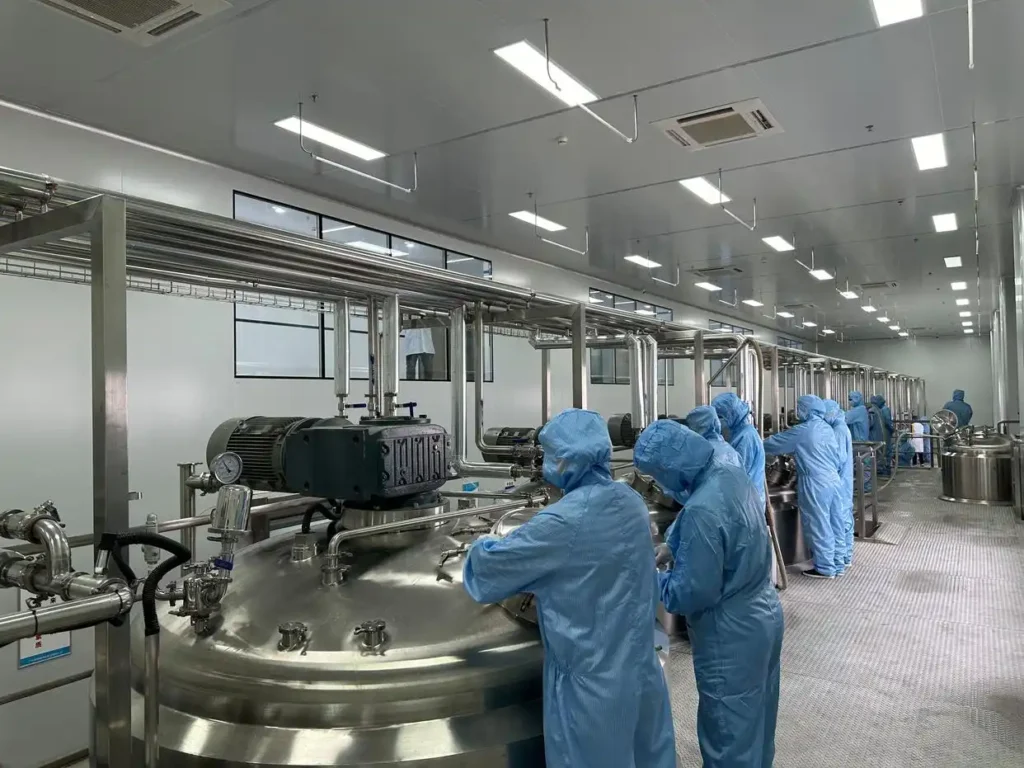
Table of Contents
- 1. What is ISO 22716? The Global Benchmark for Cosmetics GMP
- 2. What is GMPC Certification?
- 3. ISO 22716 vs. GMPC: The Key Differences Eurofins+ 1
- 4. Why B2B Buyers Must Insist on Certifications
- MoCRA Compliance in the United States
- Legal Access to the European Union (EU)
- Protection Against Recalls and Lawsuits
- 5. How to Verify a Manufacturer’s Certificates: A Sourcing Checklist
As global standards tighten—particularly with the implementation of the FDA’s Modernization of Cosmetics Regulation Act (MoCRA) in the United States—partnering with the right manufacturer is a make-or-break decision. This comprehensive guide breaks down what these standards mean, how they differ, and what you must verify before signing a manufacturing agreement.
1. What is ISO 22716? The Global Benchmark for Cosmetics GMP
First published in 2007, ISO 22716 is the international standard for Good Manufacturing Practices (GMP) specifically tailored to the cosmetics industry. Developed by the International Organization for Standardization, it provides a comprehensive quality management system that governs how cosmetic products are produced, controlled, stored, and shipped.
Unlike general manufacturing certifications, ISO 22716 focuses heavily on the delicate biological and chemical nature of cosmetics. It details precise guidelines for:
- Personnel and Hygiene: Ensuring workers on the production line are trained, healthy, and wearing proper protective gear to prevent microbiological contamination.
- Facility Design and Maintenance: Ensuring cleanrooms have appropriate air filtration, smooth surfaces that resist dust buildup, and logical product flows to prevent mix-ups.
- Raw Materials and Packaging Quality: Vetting suppliers and quarantining incoming materials until they are chemically and microbiologically cleared for production.
- Process Control: Documenting every step of the batching, filling, and packaging cycle to guarantee consistency from batch to batch.
2. What is GMPC Certification?
GMPC stands for Good Manufacturing Practice for Cosmetics. Historically, GMPC was a standard heavily promoted by the US FDA and European regulatory bodies. Over the years, “GMPC” became the preferred term in Asian manufacturing hubs (such as China, South Korea, and Taiwan) when producing cosmetic goods destined for export to North America or Europe.
ursa chemie+ 1
Often, manufacturers will state they hold “US GMPC” or “EU GMPC” certification. These variants align directly with older US FDA Cosmetic GMP Guidelines and the European Council’s directives. While GMPC and ISO 22716 share about 95% of the same foundational DNA, GMPC is sometimes issued as a local or regional compliance certificate, whereas ISO 22716 is universally recognized across more than 150 countries.
3. ISO 22716 vs. GMPC: The Key Differences Eurofins+ 1
For B2B buyers, the terms are often used interchangeably, but understanding the nuances can help you evaluate a supplier’s true capabilities.
Here is how the two standards stack up:
| Feature | ISO 22716 | GMPC (US / EU Standards) |
|---|---|---|
| Origin & Authority | International Organization for Standardization (ISO) | Originally driven by FDA (US) and Council of Europe directives |
| Geographic Acceptance | Globally recognized (EU, US, Asia, ASEAN, Middle East) | Widely recognized in Asia for export compliance; legacy focus in US/EU |
| Integration | Easily integrates with other ISO standards (like ISO 9001 or 14001) | Tends to operate as a standalone cosmetic hygiene/safety certification |
| Core Focus | End-to-end quality system (from raw material receipt to finished product dispatch) | Heavy emphasis on operational hygiene, cross-contamination, and facility sanitization |
While both certifications prove that a factory is clean and organized, ISO 22716 is generally considered the modern “gold standard” for international trade. Most premium brands prioritize suppliers that hold both, or at least a fully verified ISO 22716 certification.
4. Why B2B Buyers Must Insist on Certifications
Sourcing from an uncertified factory is a fast track to business disruption. If you are importing cosmetics into major markets, these standards are no longer “nice-to-haves.”
MoCRA Compliance in the United States
Under the Modernization of Cosmetics Regulation Act (MoCRA), the US FDA has established stricter federal Good Manufacturing Practices. If you sell in the US, your contract manufacturer must comply with these regulations. While MoCRA introduces specific requirements like mandatory facility registration and adverse event reporting, holding an ISO 22716 or NSF/ANSI 455-3 certificate ensures that your manufacturer already has the foundational infrastructure to comply with these federal audits.
Alibaba.com
Legal Access to the European Union (EU)
If you want to sell beauty products in Europe, compliance with Regulation (EC) No 1223/2009 is mandatory. The EU regulation explicitly states that cosmetic products must be manufactured in accordance with Good Manufacturing Practices, pointing directly to ISO 22716 as the benchmark. Your European Responsible Person (RP) will require a declaration of GMP compliance in your Product Information File (PIF) before your products can touch European shelves.
As demonstrated in the image above, the standard requires rigorous product testing. A certified lab will perform stability testing (ensuring your creams do not separate over time) and microbiological challenge testing (ensuring your preservative system actually kills bacteria).
Protection Against Recalls and Lawsuits
If a consumer experiences an adverse reaction due to a contaminated batch, the liability frequently falls on the brand owner, not just the manufacturer. Partnering with an ISO 22716-certified supplier means there is a clear, documented paper trail. If a recall is ever necessary, a compliant factory can trace the exact raw material batch, the date of production, and the specific distribution pathway within hours.
5. How to Verify a Manufacturer’s Certificates: A Sourcing Checklist
Many suppliers will claim to be “ISO 22716 certified” on B2B platforms like Alibaba, but savvy buyers know that certificates can be forged or expired. Use this sequence to verify your supplier’s credentials.
1.Request the Certificate PDF:Initial Vetting。
Ask the manufacturer to provide clear, high-resolution color copies of both their ISO 22716 and GMPC certificates. Ensure the name on the certificate matches their business registration and invoices exactly.
2.Check the Expiration Date and Audit Scope:Validation。
Verify that the certificate is currently active (most are valid for three years with annual surveillance audits). Check the “Scope of Certification” to ensure it covers the specific product type you want to make (e.g., “Manufacture of skincare emulsions” vs. “Packaging of powder cosmetics”).
3.Authenticate with the Issuing Registrar:Verification。
Look at the logo of the registrar (e.g., SGS, TÜV SÜD, Intertek, Eurofins) on the certificate. Go directly to that registrar’s official online verification portal and input the certificate number. If the number does not exist or shows a different company name, walk away.
4.Conduct an On-Site or Third-Party Audit:Final Due Diligence。
Even with verified paperwork, hire an independent inspection agency (like QIMA or AsiaInspection) to conduct a physical pre-production audit. They will check if the factory actually runs the quality management system in real life, or if the certificate is just a paper exercise.
The Bottom Line: In the beauty industry, your formula is only as good as the facility that blends it. Prioritizing ISO 22716 and GMPC certification is not just a regulatory hurdle; it is a strategic asset. It tells your retailers, investors, and consumers that you prioritize safety and quality above cheap margins.
As you negotiate with potential suppliers, make it clear that GMP compliance is a non-negotiable term of your manufacturing agreement. The investment in a certified partner will pay dividends in brand trust, smooth customs clearances, and long-term regulatory compliance.