From Lab to Market: The Complete Timeline for Launching a Private Label Toner Line
Get a detailed breakdown of the private label toner launch timeline. From initial consultation to final delivery, understand each phase of the manufacturing process.
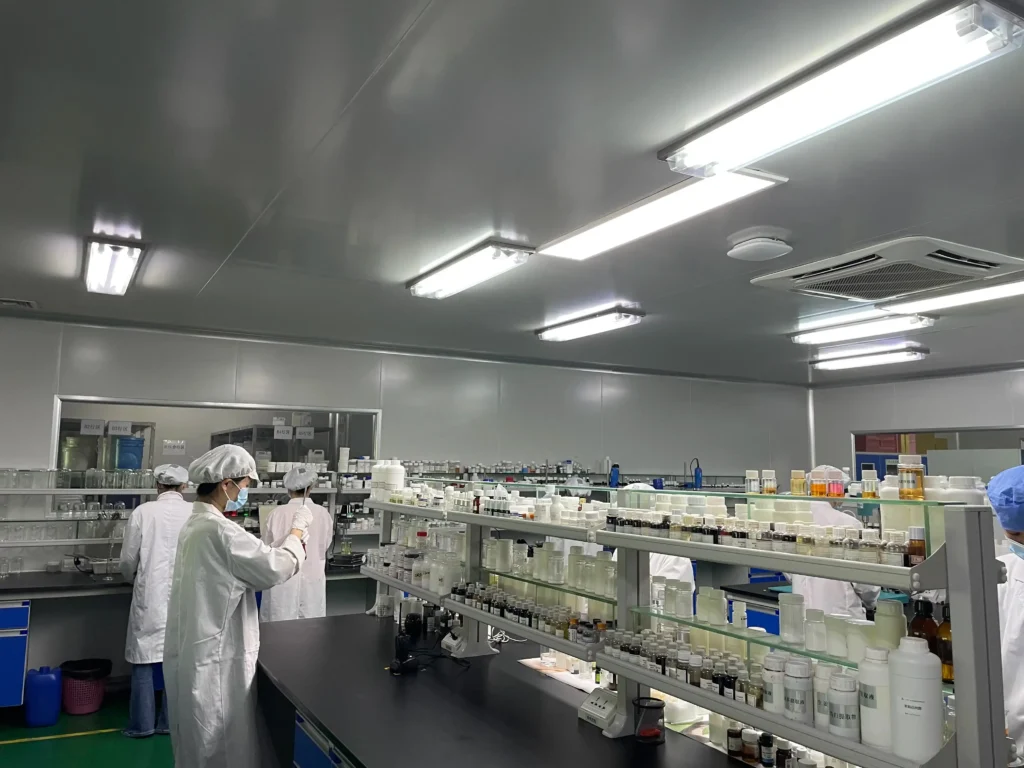
Table of Contents
- 1. The R&D Foundation: Why Formula Development Takes Time
- 2. The Step-by-Step Private Label Toner Launch Timeline
- 3. Navigating the Three Biggest Launch Bottlenecks
- Bottleneck 1: The Stability Testing Window
- Bottleneck 2: Regulatory Clearances and Label Audits
- Bottleneck 3: Packaging and Pump Lead Times
- 4. White Label vs. Custom Formulation: Sourcing Strategies
However, taking a toner from a laboratory concept to a retail shelf is not an overnight process. Many e-commerce operators and beauty entrepreneurs assume they can slap a custom label on a bottle and launch within 60 days. In reality, rushing the timeline is the quickest way to end up with leaky packaging, cloudy liquids, or your entire shipment seized at customs.
A successful, compliant, and structurally sound private label toner launch typically takes 6 to 9 months. This comprehensive guide maps out the realistic step-by-step timeline, highlights the critical bottlenecks you must prepare for, and explains how to navigate the transition from lab to market.
1. The R&D Foundation: Why Formula Development Takes Time
Every great skincare line starts in a sterile laboratory environment. Even when utilizing an OEM (Original Equipment Manufacturer) partner’s pre-existing baseline formulation—often referred to as “white-labeling”—customizations are usually necessary to align with your brand’s unique positioning.
In the laboratory phase, cosmetic chemists focus on optimizing several key parameters:
- pH Balancing: Skin-identical toners should maintain a mild, acidic pH (typically between 4.5 and 5.5) to keep the skin barrier intact.
- Ingredient Synergy: Ensuring active ingredients—such as salicylic acid (BHA) for exfoliating toners, or niacinamide and centella asiatica for soothing toners—remain stable and do not degrade when mixed.
- Preservative Efficacy: Because toners are water-based, they are highly susceptible to bacterial and mold growth. Developing a robust, non-irritating preservative system is non-negotiable.
2. The Step-by-Step Private Label Toner Launch Timeline
To coordinate your logistics, packaging, and marketing efforts, you need a realistic bird’s-eye view of the process. This chronological breakdown outlines what to expect at every phase of your journey.
Market Research, Concept Development & OEM Vetting
Month 1
Define your target audience, product positioning, and hero active ingredients (e.g., hydrating, exfoliating, or brightening). Research and contact ISO 22716-certified cosmetic manufacturers. Compare their Minimum Order Quantities (MOQs), formulation capabilities, and lead times.
Formulation Sampling & Packaging Sourcing
Month 2
Order initial prototype samples from your top manufacturing candidates. Evaluate the liquid’s sensory profile: skin feel, absorption rate, tackiness, and scent. Simultaneously, source your primary packaging (glass or PET bottles, spray pumps, disc caps, or dropper assemblies).
Stability, Compatibility & Preservative Testing
Month 3
This is the most critical phase. Once you approve the formulation and the packaging, your manufacturer must perform stability and compatibility testing. The toner is subjected to extreme temperatures over 8 to 12 weeks to ensure it does not change color, separate, grow mold, or react negatively with the plastic or glass bottle.
Regulatory Compliance, Label Design & Brand Assets
Month 4
While stability tests run, design your primary labels and outer boxes. Undergo rigorous regulatory compliance checks. If selling in the United States, ensure compliance with MoCRA (Modernization of Cosmetics Regulation Act) guidelines, register your facility, and submit your product ingredient listing to the FDA.
Mass Production, Batching & Filling
Months 5-6
Place your raw material and packaging orders. Once materials arrive, the manufacturer schedules the bulk blending, filling, sealing, and coding. Quality Control (QC) teams run final microbiological tests on the finished batch before clearing it to ship.
Logistics, Warehousing & Pre-Launch Marketing
Months 7-8
Arrange freight shipping from the manufacturer to your fulfillment centers or third-party logistics (3PL) provider. Finalize your e-commerce store design, shoot high-quality product photography, write SEO-optimized product descriptions, and launch your pre-order marketing campaigns.
3. Navigating the Three Biggest Launch Bottlenecks
While the timeline seems straightforward, three key areas routinely cause delays. Knowing how to manage them will save your launch date.
Bottleneck 1: The Stability Testing Window
You cannot rush science. Standard real-time stability testing takes months, though labs often use accelerated stability testing (storing products at 40°C to 45°C) to simulate a one-year shelf life in 12 weeks.
If a factory promises they can skip this testing and ship your product immediately, run away. If a formulation reacts poorly to your packaging halfway through your retail run, you could face cloudy sediment, container warping, or a complete product failure that destroys your reputation.
Bottleneck 2: Regulatory Clearances and Label Audits
Cosmetic regulations have become significantly more stringent. Under the FDA’s MoCRA guidelines, brands must have documented safety substantiation for their formulations, a designated U.S. agent for foreign facilities, and clear allergen labeling.
Your labels must be meticulously checked for:
- TDK Accuracy: Ensuring the Title, Description, and Keywords on your packaging align with regulatory requirements (e.g., making no drug-like claims such as “cures acne”).
- Ingredient Nomenclature: Utilizing standardized INCI (International Nomenclature Cosmetic Ingredient) names in descending order of concentration.
- Warning Statements: Including mandatory safe-use directions, especially if your toner contains alpha hydroxy acids (AHAs) which increase sun sensitivity.
Bottleneck 3: Packaging and Pump Lead Times
While a toner’s liquid formulation is quick to produce, custom components—like specialized fine-mist spray pumps or double-walled custom glass bottles—often have lead times of 8 to 12 weeks, especially if sourced internationally. Always align your formulation approval with your packaging delivery dates to prevent your product from sitting in bulk vats waiting for bottles to arrive.
Pro Tip for E-Commerce Operators: Use the 12-week stability testing window to build your digital presence. Do not wait for stock to land to start your SEO strategy. Map out your keyword clusters, build informational blog posts about your hero ingredients, and establish your domain authority so Google is ready to index your product pages the moment they go live.
4. White Label vs. Custom Formulation: Sourcing Strategies
If you want to launch faster, you have to decide between two core manufacturing paths:
- White Label (Fast Track): You use the factory’s pre-existing, pre-tested, off-the-shelf toner formula. Because the stability testing and safety assessments are already complete, you can bypass the R&D phases and launch in as little as 3 to 4 months. This is ideal for testing market demand with lower initial capital.
- Custom Formulation (The Differentiator): You hire a chemist to build a completely unique formula from scratch. While this path unlocks custom textures, exclusive active ingredients, and a proprietary story, it adds at least 3 to 4 months to your development timeline and requires a higher initial investment.
Choosing the right path depends on your budget, your target market, and your brand’s unique value proposition. Whichever path you choose, having a clear, realistic timeline is the key to executing a flawless launch.