Table of Contents
- Why Toners Are Back in the Spotlight
- OEM, ODM, and Private Label: Know the Difference
- 2026 Formulation Trends Worth Briefing Your Supplier On
- Hydration-First and Barrier Support
- Gentle, Targeted Exfoliation
- Vegan and Clean-Conscious Positioning
- How to Evaluate a Toner Manufacturer: A Practical Checklist
- What to Include in Your Manufacturing Brief
- How to Start a Toner Brand: A Step-by-Step Path
- Common Mistakes to Avoid
- Conclusion
- Ready to Brief a Toner Manufacturer?
Why Toners Are Back in the Spotlight
For years toners were dismissed as an optional step. That narrative has flipped. Today’s formulas are lightweight, water-based vehicles for humectants, soothing botanicals, and gentle exfoliating acids. They help prep the skin, support hydration, and improve the absorption of products applied afterward.
The shift was accelerated by K-beauty “skin flooding” and the layering routines that pair a watery first step with essences and ampoules. Western routines adopted the habit too, and now a well-formulated toner is frequently the product that turns a casual buyer into a repeat customer. For a toner manufacturer, that means formulation stability at scale matters as much as the hero-ingredient story.
This revival means more entrepreneurs want to launch a toner, and more factories now market toner production. The challenge is separating a capable toner manufacturer from a generic trader. The sections below give you a practical checklist.
OEM, ODM, and Private Label: Know the Difference
Before requesting quotes, understand the three common engagement models:
- Private label toner — You select a finished or near-finished formula from the supplier’s catalog and apply your own branding. Fastest to launch, lowest minimums, least differentiation.
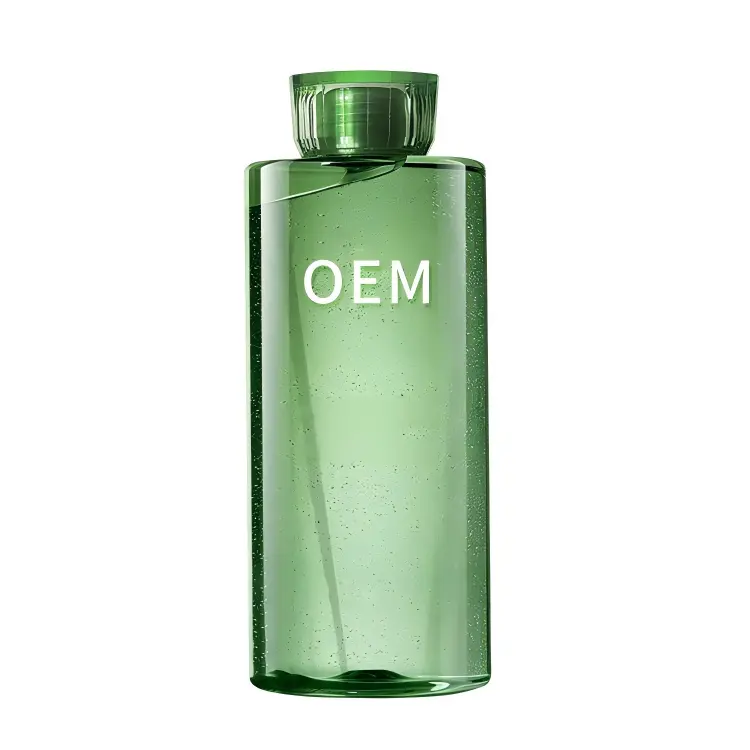
- OEM (Original Equipment Manufacturing) — The factory manufactures to your specification using your formula or a co-developed one. A hydrating toner OEM project, for example, lets you own the formulation brief while the plant handles production, filling, and QC.
- ODM (Original Design Manufacturing) — The manufacturer designs the product and you white-label it. Closer to private label but often with more formulation input than a pure catalog pick.
For founders who want a defensible product, OEM or a hybrid ODM-with-customization is usually the better long-term path.
2026 Formulation Trends Worth Briefing Your Supplier On
A strong toner manufacturer should be able to translate trends into stable, manufacturable formulas. The themes buyers ask about most this year:
A fourth, cross-cutting theme is packaging sustainability. Brands increasingly ask for PCR (post-consumer recycled) bottles, refill pouches, and reduced secondary cartons. A forward-looking supplier should be able to advise on recyclable materials without compromising pump performance or formula preservation.
Hydration-First and Barrier Support
Hydrating toner OEM requests now dominate R&D pipelines. Expect briefs built around glycerin, panthenol (provitamin B5), beta-glucan, polyglutamic acid, and low concentrations of hyaluronic acid. The goal is a weightless layer of moisture that supports the skin barrier rather than stripping it.
Gentle, Targeted Exfoliation
PHA- and low-strength AHA/BHA toners remain popular for smoothing texture. The compliant angle is “helps refine the look of pores” rather than any therapeutic claim.
Vegan and Clean-Conscious Positioning
Many brands request vegan, cruelty-free, and fragrance-optional toners. Ask your supplier for documentation (e.g., certificates) rather than taking marketing language at face value.
How to Evaluate a Toner Manufacturer: A Practical Checklist
A shortlist is only as good as the questions you ask. Bring the following to every supplier conversation, and treat vague answers as a warning sign:
- Certifications — GMP, ISO 22716 (cosmetics GMP), and any market-specific licenses. For vegan or organic positioning, request the actual certificate.
- R&D and sampling — Can they provide multiple formula directions and revise based on your feedback? A good toner manufacturer treats sampling as a collaborative process.
- MOQ and scalability — Confirm minimum order quantities per SKU and whether they scale to the volumes you’ll need in year two.
- Lead time — From approved sample to finished, filled, and labeled goods. Build in buffer for packaging sourcing.
- Stability and challenge testing — Ask for stability data and microbial testing protocols. This protects your brand from batch failures.
- Packaging and filling — In-house filling reduces handoffs. Discuss bottle, pump, and sustainability options.
- Regulatory support — The factory should help you assemble the documentation required for your target markets (e.g., FDA/FTC in the US, EU EC 1223/2009).
What to Include in Your Manufacturing Brief
A clear brief saves weeks of sampling cycles. At minimum, share:
- Target audience and claim direction (e.g., “sensitive skin, soothing”).
- Texture and pH target (toners typically sit around pH 4.5–6.0).
- Hero and supporting ingredients, plus any “free-from” requirements.
- Preservative preference (traditional vs. broad-spectrum mild systems).
- Packaging concept and fill volume.
- Compliance markets you intend to sell into.
The more precise the brief, the faster a toner manufacturer can return a sample worth testing rather than a generic starting point.
How to Start a Toner Brand: A Step-by-Step Path
If you are wondering how to start a toner brand, the process is more approachable than many assume:
- Define your positioning. Who is it for, and what single benefit leads the story (hydration, smoothing, soothing)?
- Shortlist 2–3 manufacturers. Use the checklist above and request samples from each.
- Brief and iterate. Share your target pH, texture, and hero ingredients. Compare samples blind if possible.
- Lock the formula and packaging. Confirm lead times, MOQ, and artwork specs.
- Plan compliance and launch. Assemble labels with permissible claims, then go to market.
- Model your unit economics early. A toner’s low viscosity means shipping is often lighter than creams, but bottle and pump choice can swing your landed cost more than the formula itself. Price formula, filling, packaging, and freight against your target retail before committing to volume.
Pairing your toner with complementary steps strengthens the routine story. Many founders later extend into a private label face cream for moisturizing, or a private label face wash as the prep step—both can be sourced from the same OEM ecosystem.
Common Mistakes to Avoid
- Chasing the lowest price per unit at the expense of testing and documentation.
- Vague briefs — “make it nice” produces inconsistent samples. Specify texture, pH range, and hero actives.
- Ignoring fill and packaging lead times, which often exceed formula lead time.
- Over-claiming on labels. Keep copy compliant; let the experience speak.
For broader portfolio planning, a skincare OEM partner can help you map a full regimen rather than a single hero product.
Conclusion
Selecting a toner manufacturer is less about finding the cheapest quote and more about finding a partner who can translate your brand vision into a stable, compliant, and scalable product. Prioritize transparency on certifications and testing, brief your supplier clearly on hydration-forward trends, and use a structured checklist before you commit. Whether you begin with a private label toner or a fully custom hydrating toner OEM project, the right foundation makes every later step—from sampling to launch—smoother.
Ready to Brief a Toner Manufacturer?
If you are exploring how to start a toner brand, our team can support formulation, sampling, and private-label production under one roof. Visit tonermanufacturer.com to request a free formulation consultation and a tailored OEM quote.
Disclaimer: Individual results vary. All claims are subject to the final formulation, ingredient selection, and the regulatory approval of the target market. This article is for informational purposes only and is not medical advice.
Looking to Formulate Your Own Skin Care Brand?
We support low MOQ customization, GMPC/ISO certified cleanrooms, stability testing, and free formulation sampling for global brand owners.