Toner Manufacturer Playbook 2026: Exfoliating & Hydrating Lines at Low MOQ
A 2026 playbook for working with a toner manufacturer on exfoliating and hydrating private label toners: formulation strategy, low MOQ OEM options, lead times, and compliance.
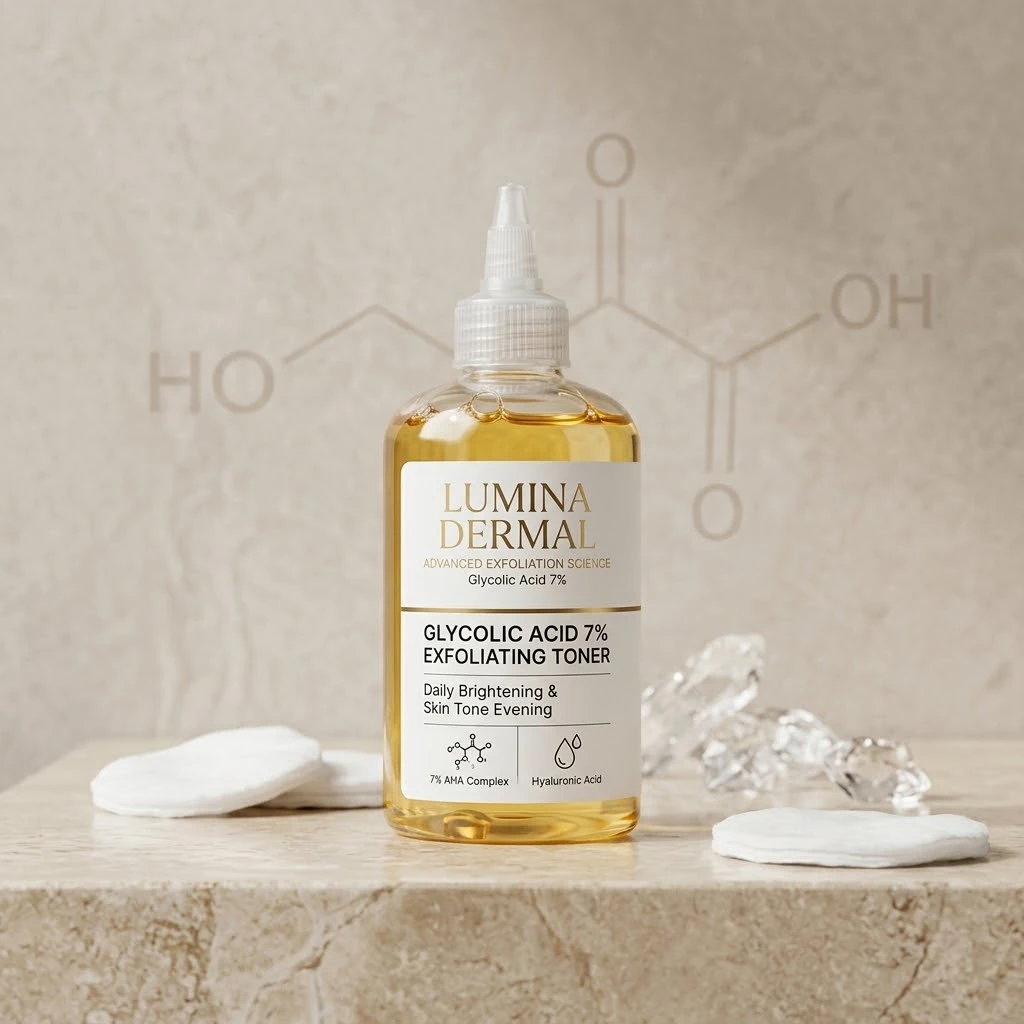
Table of Contents
Why the Toner Manufacturer Role Is Shifting in 2026
Toners used to be a one-note product: water, humectant, fragrance, and a high dose of alcohol. That formula is losing ground as consumer education around the skin barrier has turned “gentle” into the default expectation. The result is a category that has split into distinct, purpose-built liquids — exfoliating treatments, hydrating toners, essence hybrids, and mist tonics — each with its own formulation rules.
For a toner manufacturer, that diversity is the whole job. A capable partner in 2026 is closer to a formulation lab than a fill-and-bottle line, because the difference between a toner that feels elegant and one that separates or feels harsh lives in pH, chelation, and preservation. Brands that brief their manufacturer well — and test pilots before scaling — are the ones capturing repeat purchases in a crowded market.
Two trends are worth designing around this year. First, “glass skin” and K-beauty layering routines have normalized applying a toner before serum and cream, which lifts toner from an afterthought to a daily habit product. Second, the indie and direct-to-consumer wave has made small, agile production runs mainstream, so a low MOQ toner OEM option is now a competitive requirement rather than a nicety.
How to Build an Exfoliating Toner Line
Exfoliating toners are the lane where formulation skill is most visible. The goal in 2026 is resurfacing that feels considered, not aggressive. An experienced exfoliating toner manufacturer typically works with gentle acids at cosmetic-use levels — PHA (gluconolactone, lactobionic acid) for a buffered, tolerant feel, low-strength AHA (lactic or mandelic) for brighter-looking skin, or azelaic-derivative blends — rather than relying on solvent stripping.
The manufacturing science here is unforgiving in three places:
- pH control. Acids only act in a specific pH window. Set it too high and the product does nothing; set it too low and it feels harsh. Your manufacturer should document target pH and hold it through stability.
- Chelation and compatibility. Trace metals can destabilize acids and accelerate degradation. A good partner builds in chelators and screens actives for incompatibility before scale-up.
- Preservation. Water-based exfoliating liquids are microbial risks. Require a documented preservative system and, where claims support it, challenge-test data.
Brief the exfoliating line as a resurfacing step, not a treatment. Language like “helps refresh the look of skin” or “supports a smoother-looking surface” is measured and defensible. Anything implying it treats, cures, or prevents a condition crosses the compliance line and should be avoided.
Hydrating Toners: The Everyday Hero
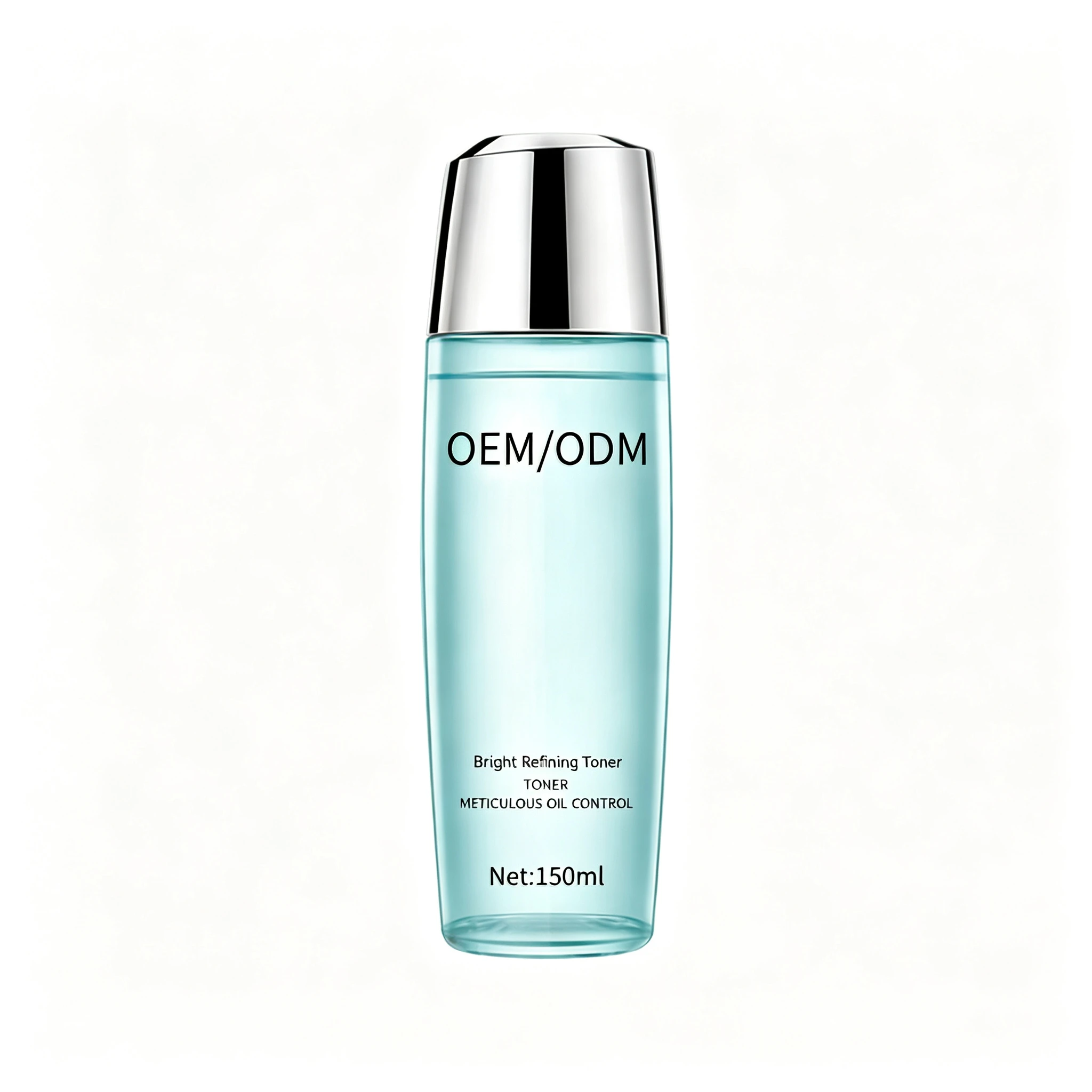
If exfoliating toners are the attention-grabber, hydrating toners are the workhorse — and often the better first product for a new brand. A reliable hydrating toner factory builds these around humectants such as glycerin, panthenol, and low-molecular-weight hyaluronic acid, frequently with polyglutamic acid or betaine for a cushiony, weightless feel.
The appeal is practical. Hydrating toners are lower-risk to formulate than acid-based ones, they pair with every routine, and they build the repeat-purchase habit that anchors a regimen. Because many factories already run these bases routinely, development cycles can be short — but “simple” still demands discipline:
- Stability testing. A poorly stabilized hydrating toner can cloud, separate, or lose viscosity. Ask for pilot batches and check how it layers under serum and cream.
- Sensory spec. Define the finish you want — dewy, matte, or silky — and validate it on skin, not just on paper.
- Alcohol-free by design. Increasingly, brands brief explicitly for no denatured, SD, or isopropyl alcohol, for sensory comfort and barrier friendliness rather than as a medical claim.
For a first launch, pairing a hydrating hero with a occasional exfoliating variant gives customers a complete, low-commitment entry into your brand — and both can run on the same low MOQ toner OEM setup.
OEM Production Considerations: MOQ, Lead Time, Compliance
Once the formula is set, the commercial questions decide whether your launch is smooth or stressful.
- MOQ and flexibility. A low MOQ toner OEM arrangement lets you enter a market with a few thousand units instead of a full container. Confirm whether the low minimum applies to both filling and packaging — custom bottles and closures often carry a higher minimum than the liquid itself.
- Lead time. Realistic toner lead times run roughly four to ten weeks, including stability, compatibility checks, and label proofing. Build buffer for specialty humectants or fermented extracts, which can have longer raw-material lead times.
- Compliance and claims. Your manufacturer should support INCI listing, batch records, and alignment with the cosmetic regulations of your target markets — FDA in the United States, the EU Cosmetics Regulation in Europe. A good partner also pushes back on unsupported claims, protecting your brand rather than just your timeline.
- Format and closure. Toners ship as bottles with mist or treatment pumps, sachets, or refill pouches. Mono-material and refillable bottles are increasingly requested; confirm the line handles your closure without leakage.
If you plan to extend into a full regimen, coordinating with a skincare OEM factory keeps your toner, serum, and cream consistent in both visual identity and regulatory language. And if your routine includes a wash step, a partner who also offers facial cleanser OEM can keep formulation and labeling coherent across the line.
Common Mistakes to Avoid
Even experienced teams repeat the same missteps when launching a toner.
- Stacking actives. A toner is a delivery vehicle, not a treatment. Piling multiple acids and peptides together rarely improves the result and usually raises irritation and stability risk.
- Skipping the pH spec. Toners are forgiving but not lawless. Require a documented pH target in the brief.
- Underestimating preservation. Water-based toners invite microbes. “Preservative-free” still needs a robust strategy and challenge-test data — do not drop preservation to chase a cleaner label.
- Treating low MOQ as low quality. A small run should still get the same stability and documentation as a large one. Use the low-MOQ phase to validate, not to cut corners.
- Forgetting fill tolerance. Toner bottles look full but are mostly water; small over-fills add up across a run. Agree on fill tolerance up front.
For brands that later expand into moisturizers, aligning early with a face cream OEM keeps your hydration story coherent from toner through cream.
Conclusion
The toner opportunity in 2026 is about restraint and range: an exfoliating toner manufacturer who can resurface gently through proper pH and chelation, a hydrating toner factory base you can trust for daily use, and a low MOQ toner OEM path that lets you validate both before scaling. Choose a toner manufacturer who documents formulation, respects pH and preservation, and supports the compliance paperwork your markets require — and your toner can become the quiet hero product that brings customers back for the whole regimen.
Get a tailored toner formulation plan from our OEM manufacturing team.
This article is provided for B2B / OEM private label and contract manufacturing reference. All descriptions of feel, hydration, and formulation are general guidance; actual product performance depends on the finalized formula, stability testing, and third-party verification. Nothing herein constitutes a medical, therapeutic, or treatment claim, and no cure, treatment, or disease-prevention benefit is implied.
【待人工审核后发布】