How to Choose a Toner Manufacturer for Alcohol-Free, Hydrating Formulas in 2026
A practical guide to choosing a toner manufacturer for alcohol-free, hydrating toners: formulation strategy, low MOQ OEM options, lead times, and compliance for 2026.
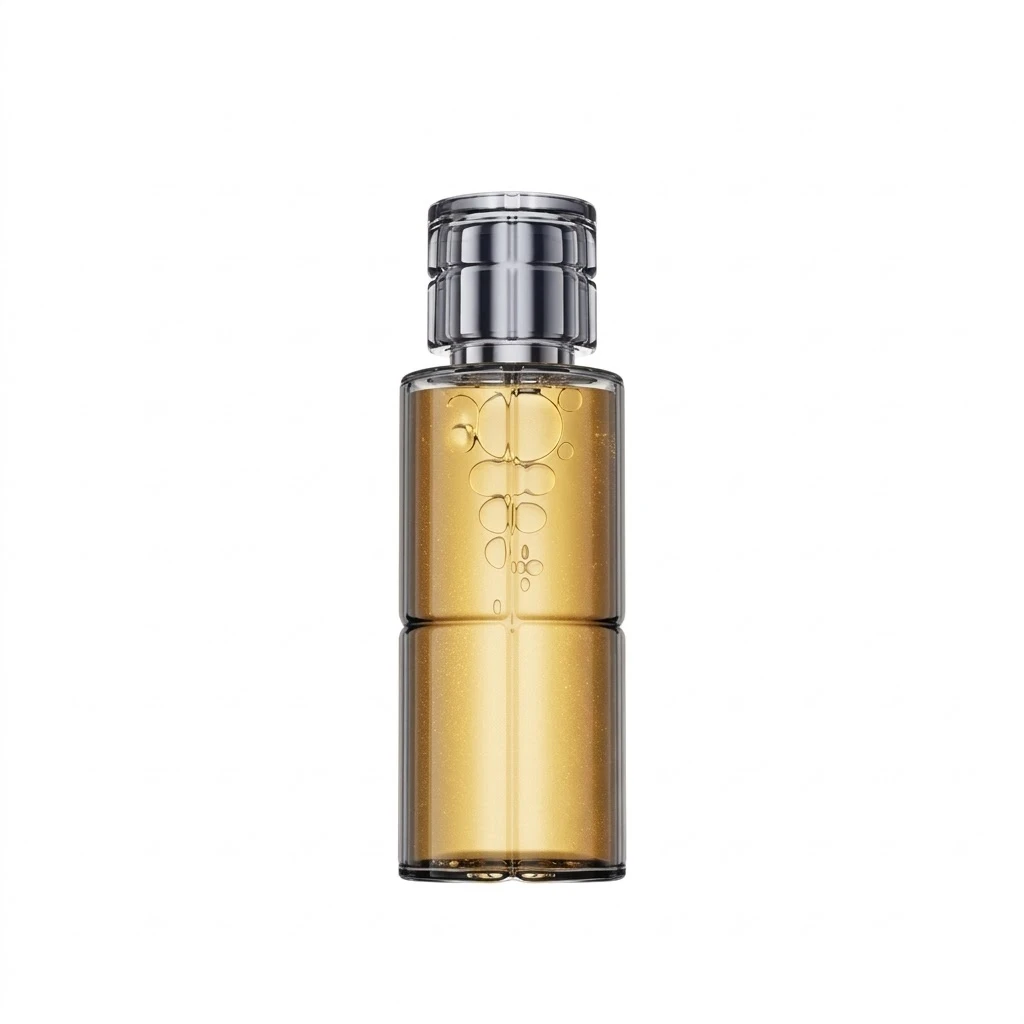
Table of Contents
Why the Toner Manufacturer Matters More in 2026
Toner used to be a simple product: water, humectant, fragrance, and a high dose of denatured alcohol to “tighten pores.” Today the category has split into essences, toner-mists, exfoliating liquids, and barrier toners. That diversity means formulation skill matters far more than it did a decade ago, and a capable toner manufacturer is now a formulation partner rather than a filler-and-bottle operation.
Two forces are pushing the shift. First, consumer education around the skin barrier has made “alcohol-free” a selling point rather than a niche claim. Second, the rise of K-beauty and J-beauty routines has normalized layering lightweight hydrating liquids before serums and creams. Brands that can deliver a stable, elegant alcohol free toner formulation are capturing shelf and cart space that older astringent products are losing.
For emerging brands, this is good news: a focused toner line has a lower formulation and packaging cost than a full regimen, yet it builds a repeat-purchase habit. The catch is that “simple” does not mean “easy” — a poorly stabilized hydrating toner can separate, cloud, or grow microbes. That is exactly where your manufacturing partner’s quality systems earn their keep.
How to Choose the Right Formulation
Start with the job the toner is supposed to do. Most 2026 launches fall into one of three lanes, and each needs a different base.
1. Hydrating toners (the fastest-growing lane).
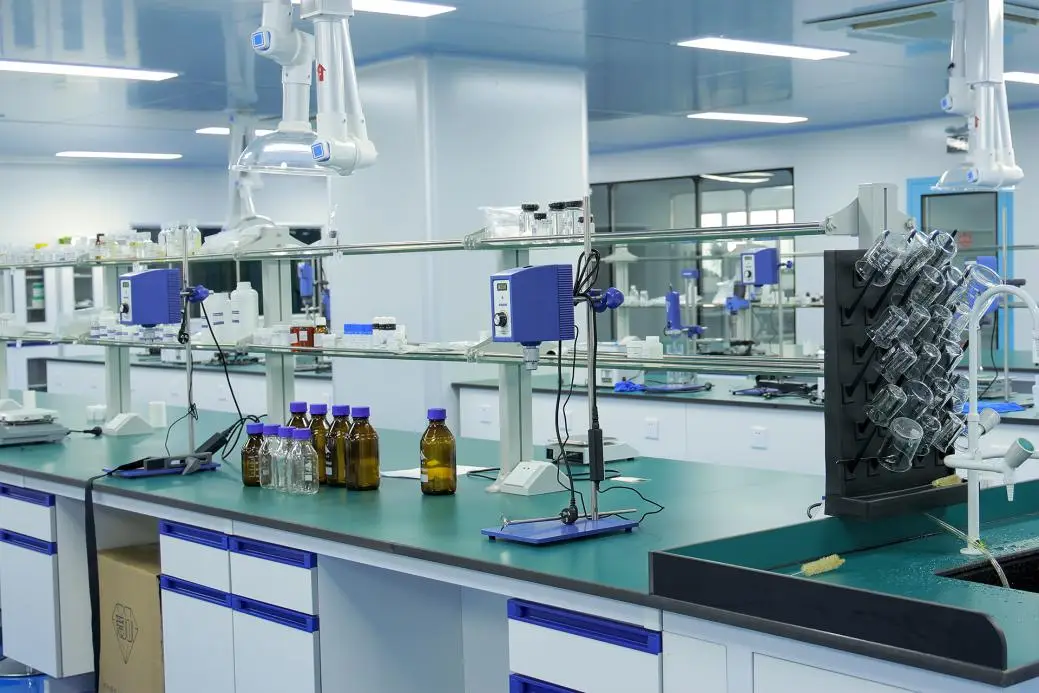
These are built around humectants such as glycerin, panthenol, and low-molecular-weight hyaluronic acid, often with a touch of polyglutamic acid or betaine for a cushiony feel. A hydrating toner factory that already runs these bases can shorten your development cycle, because the emulsification and preservation challenges are well understood. Ask for pilot batches so you can test viscosity, spreadability, and how the product layers under serum.
2. Alcohol-free exfoliating toners.
Instead of solvent stripping, these use gentle acids (PHA, low-strength AHA, or azelaic-derivative blends) at cosmetic-use levels. The manufacturing challenge is pH control and chelation — get it wrong and the acid is either ineffective or irritating. Your manufacturer should document pH, provide stability data, and confirm the preservative system holds across the intended shelf life.
3. Essence-toner hybrids.
These sit between a toner and a serum, with added ferments, peptides, or niacinamide. They require the cleanest water system and the most careful compatibility testing. If you want actives, brief them early so the factory can screen for incompatibilities rather than discovering them at scale.
Whichever lane you pick, insist on an alcohol free toner formulation brief that names the specific alcohols to avoid (denatured alcohol, SD alcohol, isopropyl alcohol) and the reason — sensory and barrier comfort, not a medical claim. Keep efficacy language measured: “helps maintain hydration” is defensible; “repairs your skin” is not.
OEM Production Considerations: MOQ, Lead Time, Compliance
Once the formula is set, the commercial questions begin. Here is where private label and contract manufacturing diverge.
- MOQ and flexibility. A low MOQ toner OEM setup lets you test a market with a few thousand units instead of committing to a container. This is ideal for a first launch or a seasonal variant. Confirm whether low MOQ applies to both filling and packaging, since custom bottles often carry a higher minimum than the liquid itself.
- Lead time. Typical toner lead times run from four to ten weeks including stability and label proofing. Build in buffer for raw-material sourcing, especially if you specify specialty humectants or fermented extracts that have longer lead times.
- Compliance and claims. Your manufacturer should support INCI listing, batch records, and cosmetic-regulation alignment for your target markets (FDA in the US, EU Cosmetics Regulation for Europe). They should also push back on unsupported claims — a good partner protects your brand, not just your schedule.
- Filling and format. Toners ship as bottles with mist or treatment pumps, sachets, or refill pouches. Sustainable mono-material bottles are increasingly requested; confirm the line can handle your chosen closure without leakage issues.
If you are also planning adjacent products, it is worth coordinating with a skincare OEM factory so your toner, serum, and cream share a visual and regulatory language. And if your routine includes a wash step, a partner who also offers facial cleanser OEM can keep formulation and labeling consistent across the line.
Common Mistakes to Avoid
Even experienced teams trip on the same points when launching a toner.
- Chasing “alcohol-free” without a sensory plan. Removing alcohol changes how the product feels and preserves. Without a replacement humectant and a tuned preservative, you get a sticky or under-protected formula. Let the manufacturer propose the substitution, then validate it on skin.
- Over-loading actives. A toner is a delivery vehicle, not a treatment. Stacking five acids and three peptides rarely improves the result and often raises irritation and stability risk.
- Ignoring pH. Toners are forgiving but not lawless. A hydrating toner that is too acidic or too alkaline will feel wrong and may stress the skin. Require a pH spec in the brief.
- Underestimating preservation. Water-based toners are microbial magnets. “Preservative-free” is a claim that needs a robust preservation strategy (often multi-functional ingredients) and challenge-test data — do not skip it to chase a cleaner label.
- Forgetting the fill weight. Toner bottles look full but contain mostly water; small over-fills add up across a production run. Agree on fill tolerance up front.
For brands that later expand into moisturizers, aligning early with a face cream OEM keeps your barrier story coherent from toner through cream.
Conclusion
The toner category in 2026 rewards restraint: alcohol-free, hydrating, and sensibly actived formulas that fit a barrier-friendly routine. Choosing the right toner manufacturer is less about finding the cheapest filler and more about finding a formulation partner who can stabilize an elegant alcohol free toner formulation, support a hydrating toner factory base you can trust, and scale through a low MOQ toner OEM path before you commit to volume. Brief clearly, test pilots, respect pH and preservation, and your toner can become the quiet hero product that brings customers back for the whole regimen.
Get a tailored toner formulation plan from our OEM manufacturing team.
This article is provided for B2B / OEM private label and contract manufacturing reference. All descriptions of feel, hydration, and formulation are general guidance; actual product performance depends on the finalized formula, stability testing, and third-party verification. Nothing herein constitutes a medical, therapeutic, or treatment claim, and no cure, treatment, or disease-prevention benefit is implied.
【待人工审核后发布】